We provide surgery and treatments for diseases and disorders of the brain, spinal cord and nervous system for children and adults near Banga and Phagwara, in Dhahan-Kaleran, in the Shaheed Bhagat Singh Nagar District in Punjab.
Our neurosurgeon is able to perform minimally-invasive treatments, when appropriate, to ensure comfort for your post-procedure recovery.
Please note: we do not provide ongoing neurology services at our hospital.
Who should see a neurosurgeon?
A neurosurgeon is a doctor who specializes in operations focused on the brain, spinal cord, nervous system and muscles. For example, brain and spine injuries, tumor removal, and carpal tunnel syndrome.
A neurosurgeon is not a neurologist. A neurologist helps to treat ongoing neurological conditions such as epilepsy, Alzheimer’s disease, peripheral nerve disorders, and ALS.
Many times, patients may see their primary care physician to report symptoms that relate to the brain, spinal cord or nervous system. When a primary care physician recognizes that these symptoms need advanced, specialized care, they may refer you to a neurologist or neurosurgeon.
At our hospital, you may also make an appointment with a neurosurgeon directly. The most likely reason for doing so is that you are already diagnosed with a neurological disorder, and are seeking a solution.
You should consider seeing a doctor or neurosurgeon if you experience any of the following symptoms:
- Consistent headaches or migraines (including sensitivity to light, sounds or smells)
- Muscle pain, heaviness or weakness
- Spine and hip pain
- Inability to use strength for daily tasks, such as grasping objects, climbing stairs, walking, etc.
- Inability to speak clearly or form words with your mouth or voice
- Dizziness or imbalance (e.g. vertigo)
- Sudden, uncontrollable movements (e.g. knee jerks, shaking)
- Clumsiness
- Confusion, inability to concentrate or remember things
- Personality changes
- Numbness or paralysis of any body part
- Drooping of any parts of the face
- Seizures (including shaking, stiffness, staring, incontinence, disorientation, unconsciousness, etc.)
- Nausea and vomiting
- Difficulty swallowing
- Difficulty breathing
- Vision problems (e.g. light sensitivity, double vision, etc.)
- Fainting spells and lightheadedness
- Hearing loss, hearing changes (e.g. tinnitus) or ear aches
- Fatigue, sleepiness, trouble sleeping or sleep walking
And so on.
You may also want to see a neurosurgeon if you have been diagnosed with the following conditions:
- Paralysis
- Brain or spine tumor or cancer
- Disc degeneration
- Disc herniation (i.e. slipped disc, ruptured disc, bulging disc)
- Sciatica
- Spinal stenosis
- Carpal tunnel syndrome
- Brain or spine injury
- Spinal tuberculosis
And so on.
Neurosurgery services
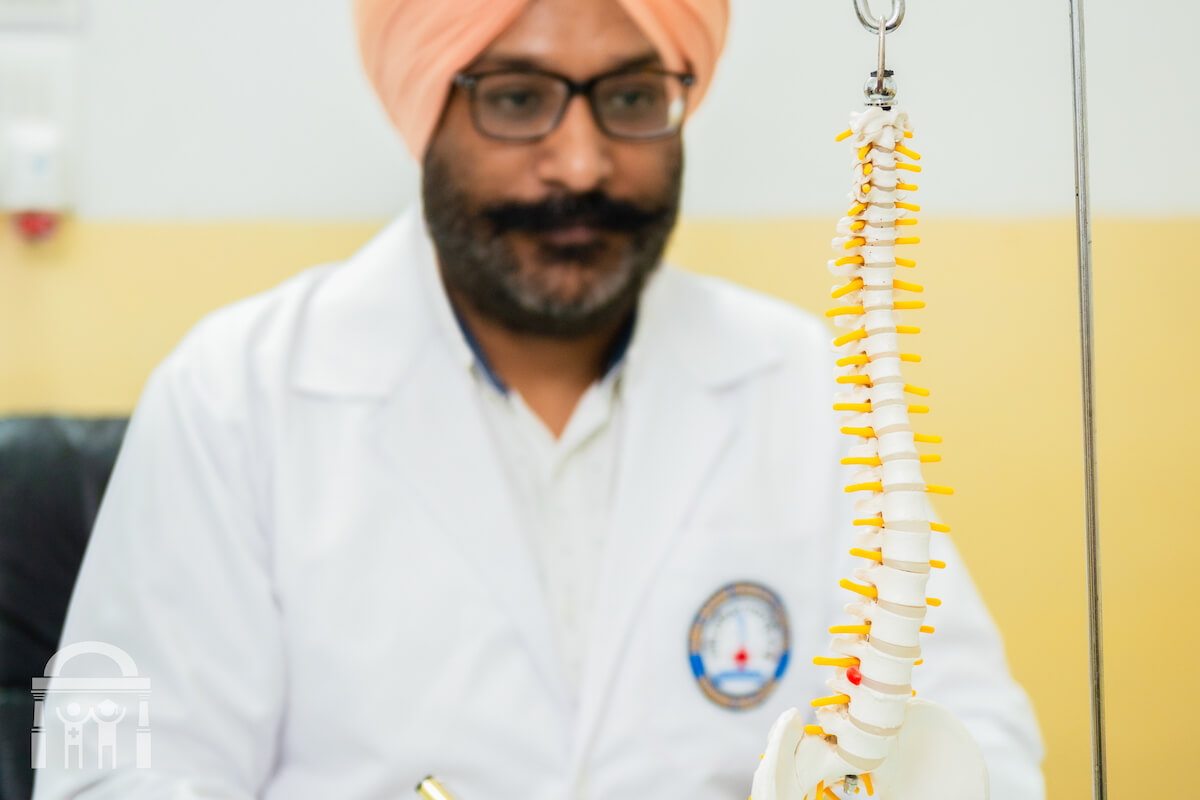
Our neurosurgery services include:
- Treatment and management of the above-named diseases and disorders
- Screening and tests for neurological disorders including lumbar punctures (i.e. spinal taps) with cerebrospinal fluid exams, CT scans, X-rays, angiograms, blood tests, etc.
- Treatment of head or spine injuries (e.g. cranial trauma)
- Treatment of brain hemorrhages
- Treatment of strokes
- Minimally invasive transforaminal lumbar interbody fusion (MIS-TLIF) for treatment of slipped discs, spinal stenosis or degenerated discs
- Disc replacement
- Neurovascular surgery
- Endoscopic brain and spine surgeries
- Treatment of brain aneurysms
- Treatment of spinal tuberculosis
- Treatment of face deviations (e.g. Bell’s palsy)
- Neuro-oncology (treatment of neurological cancers)
- Spinal dysraphism (i.e. spina bifida) surgery and other peadiatric neurosurgeries